
Solve · DevOps
Migrate cleanly. Land production-grade.
You've outgrown DigitalOcean, Heroku, or the bare metal you started on. The next phase needs the maturity, services, and compliance posture of a hyperscaler, but you cannot afford a six-month freeze. We migrate you onto AWS, Azure, or GCP without stalling the product.
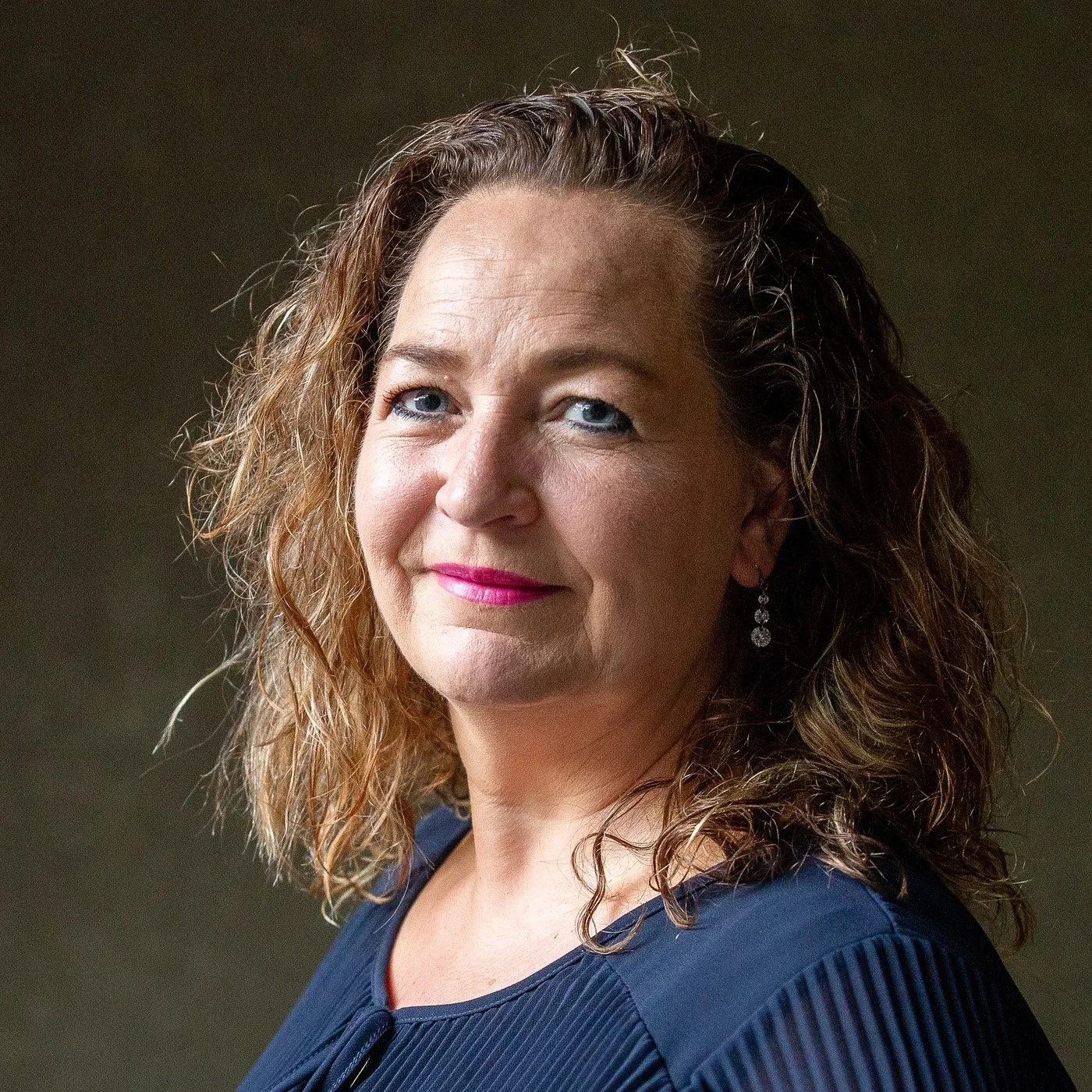
Partnering with Releaseworks really raised the bar for us; transparent, structured and professional. It feels like our company motor just got a powerful, high-performance upgrade!
Carola KrasCOO & Co-founder, iClaim
The outcome
In 6 to 16 weeks
- A right-sized landing zone on AWS, Azure, or GCP
- Everything as code, no click-ops, no snowflakes
- Observability and CI/CD live from day one
- Cost guardrails so the bill does not double in month two
Free instant quote. No call required.
Partnering with Releaseworks really raised the bar for us; transparent, structured and professional. It feels like our company motor just got a powerful, high-performance upgrade!
Carola KrasCOO & Co-founder, iClaim
We have shipped production systems for











20+ years
shipping production cloud platforms for global brands
$5bn+
of revenue protected by systems we have built and run
6 to 16 weeks
from legacy host to hyperscaler
Why teams come to us
What migrating to a larger cloud provider solves
- Hitting the ceiling of Heroku, DigitalOcean, Render, or a single VPS
- Compliance and procurement blockers that need AWS, Azure, or GCP on paper
- Noisy-neighbour performance and unpredictable latency under real load
- Costs that grow faster than revenue with no levers to pull
- Single-region fragility with no failover or disaster recovery story
- Limited services (managed databases, queues, observability) holding the product back
The problem
The cloud that got you to Series A is the one blocking your Series B customer.
DigitalOcean, Heroku, Render, Hetzner, and the bare metal in a colo are brilliant places to start. Cheap, fast, no learning curve. But there is a ceiling, and you can feel when you have hit it: no real IAM, no private networking worth the name, no proper infrastructure-as-code story, support tickets that take days, and a regional footprint that does not reach where your next ten customers want to be hosted.
Migrating to AWS, Azure, or GCP is the obvious answer and the terrifying one. The horror stories are well known: six months of stalled product work, a cloud bill that doubles overnight, a lift and shift that just moves the mess to a more expensive room. Most teams put it off until a customer or a board meeting forces the issue, and then they are doing it under time pressure with no plan.
Our approach
Lift-and-reshape, not lift-and-shift. Land it properly the first time.
We build the new cloud foundation before any workload moves: network topology, identity, secrets, IaC, CI/CD, observability, cost controls. The landing zone is solid before the planes start landing, so each workload arrives into a place that is ready for it, not a half-built copy of the old environment.
Workloads then migrate one at a time, each behind a rehearsed cutover plan: parity-tested in staging, run blue-green or canary in production, validated against real traffic, then the old version is decommissioned. There is a dual-run window where both clouds are live, so rollback is a config change, not an emergency.
You end up with a platform you could have built yourself if you had had the time and the scar tissue, documented, codified, and ready to extend. Not a snowflake. Not a rewrite. A clean foundation.
What you get
A migration that lands clean, on time, and under budget.
Target architecture you'd actually build
Right-sized AWS, Azure, or GCP architecture: network, identity, data, compute, secrets. Documented, peer-reviewed, future-proof.
Everything as code
Terraform or Pulumi for the platform. Reproducible environments. No more click-ops, no more snowflake servers.
CI/CD that works on the new cloud
Pipelines ported and improved. Blue-green or canary cutover for each workload, so you migrate without a downtime weekend.
Observability on day one
Logs, metrics, traces, and alerting live the moment a workload moves. You see the new platform's behaviour in real time, not in retrospect.
Cost guardrails
Budgets, anomaly alerts, right-sizing, and reserved-capacity strategy. We stop the classic cloud bill doubled in month two story.
Security baseline
Identity, MFA, encryption, network segmentation, and audit logging set up to the standard your future SOC 2 or ISO audit will expect.
Is this for you?
See if we're a great fit for you.
For you if
- You have a live product on DigitalOcean, Heroku, Render, Hetzner, or bare metal.
- An enterprise customer or compliance review is pushing you to a hyperscaler.
- You can't afford to freeze product work for six months to do it.
Not for you if
- You're prototyping and don't have customers yet.
- You want a literal lift and shift with no architecture change.
- You're happy on your current host and nothing is pushing you to move.
How we do it
Clear stages. You're in control.
Discover and design
Inventory of what's running today, dependency map, target architecture, and a workload-by-workload migration plan with risk and effort.
Land the platform
We build the new cloud foundation, network, identity, IaC, CI/CD, observability, before a single workload moves. The runway is solid before the planes land.
Migrate, workload by workload
Each workload moves behind a cutover plan: rehearse in staging, run blue-green or canary in production, validate, then decommission the old.
Cut over and tune
Once the last workload moves, we tune for cost and performance, decommission the old platform, and hand you a fully documented operating model.
After we migrate
DevOps Forward Deployed Engineers
A clean cloud is the foundation. DevOps Forward Deployed Engineers are how you turn it into a self-service platform that compounds throughput across every team.
Why Releaseworks®
A team you can trust with production.
Senior engineers, based in London
Over 20 years building and running production SaaS and business-critical platforms for global brands across finance, health, and retail.
Full-time, background-checked staff
No subcontractors, no offshore handoffs. The people on the kickoff call are the people writing the code.
Embedded with your team
We work in your repo, your tools, and your standups, so your engineers see every decision and keep the capability after we leave.
Trusted advisors, not vendors
Founders and CTOs keep us on speed-dial long after the engagement ends, because we tell them the truth and stay accountable for outcomes.
FAQ
The questions we get before kickoff.
Who does the work?
UK-based, background-checked Releaseworks engineers. We have built and run production cloud platforms for some of the world's largest brands. Every engineer holds multiple AWS, Azure, or GCP certifications. If you already have engineers, ours embed alongside them, write IaC your team reviews and merges, and hand the platform over so you own it end to end.
How fast can you start?
Usually within a week. We ring-fence one senior engineer and one cloud specialist, run a discovery, and have the target architecture and workload-by-workload migration plan landing on your desk inside two weeks.
AWS, Azure, or GCP, which one should we pick?
Depends on your customers, your team, and your compliance posture. Most teams we work with land on AWS because of breadth and procurement maturity. We help you decide in discovery, then commit, no fence-sitting.
How do you avoid a downtime weekend?
Each workload migrates behind a rehearsed cutover, blue-green or canary, with the old platform live alongside the new one. Rollback is a config change, not an emergency. For most workloads, customers notice nothing.
Do you work in our repo or yours?
Yours. The Terraform or Pulumi modules, pipelines, and runbooks all land in your repos as pull requests your team reviews and merges. No black-box handover, no parallel fork.
What happens after the cutover?
You own a documented cloud platform, IaC, observability, cost guardrails, and a team that knows how it works. We stay on call for two more weeks so it sticks. After that you can run it yourself, retain us on Care, or embed DevOps Forward Deployed Engineers.
How is this priced?
Fixed-fee per phase, scoped from the discovery. No hourly billing, no surprises. The 30-second quote gives you a typical range for a migration your size before we ever talk.
Do you sign NDAs and DPAs?
Yes. Both, as standard. We have shipped regulated cloud platforms for global brands across health, finance, and retail. Procurement is not a problem we make you solve.
Next step
Outgrowing your current cloud?
Tell us what you're running, where, and what's pushing you to move. We'll come back with a realistic plan and a number.